WE ARE THE NEPAL KIRAT KULUNG BHASA SANSKRITI UTTHAN SANGH
We are the Kirati Kulung Community and have self-declared (ref. ILO Convention 169, Article 1) as indigenous peoples of Nepal belonging to the descent of four forefathers – Khapdulu, Ratapkhu, Tamsi, and Chhemsi rooted in the ancient Kirati heritage. According to the national census of 2021, the Kulung population by ethnicity is 33,388, with 37,912 Kulung language speakers. Moreover, 40,749 individuals believe that their ancestral language is Kulung. Despite the fact that the Kulung community’s own internal survey indicates that the Kulungs number more than 100,000.
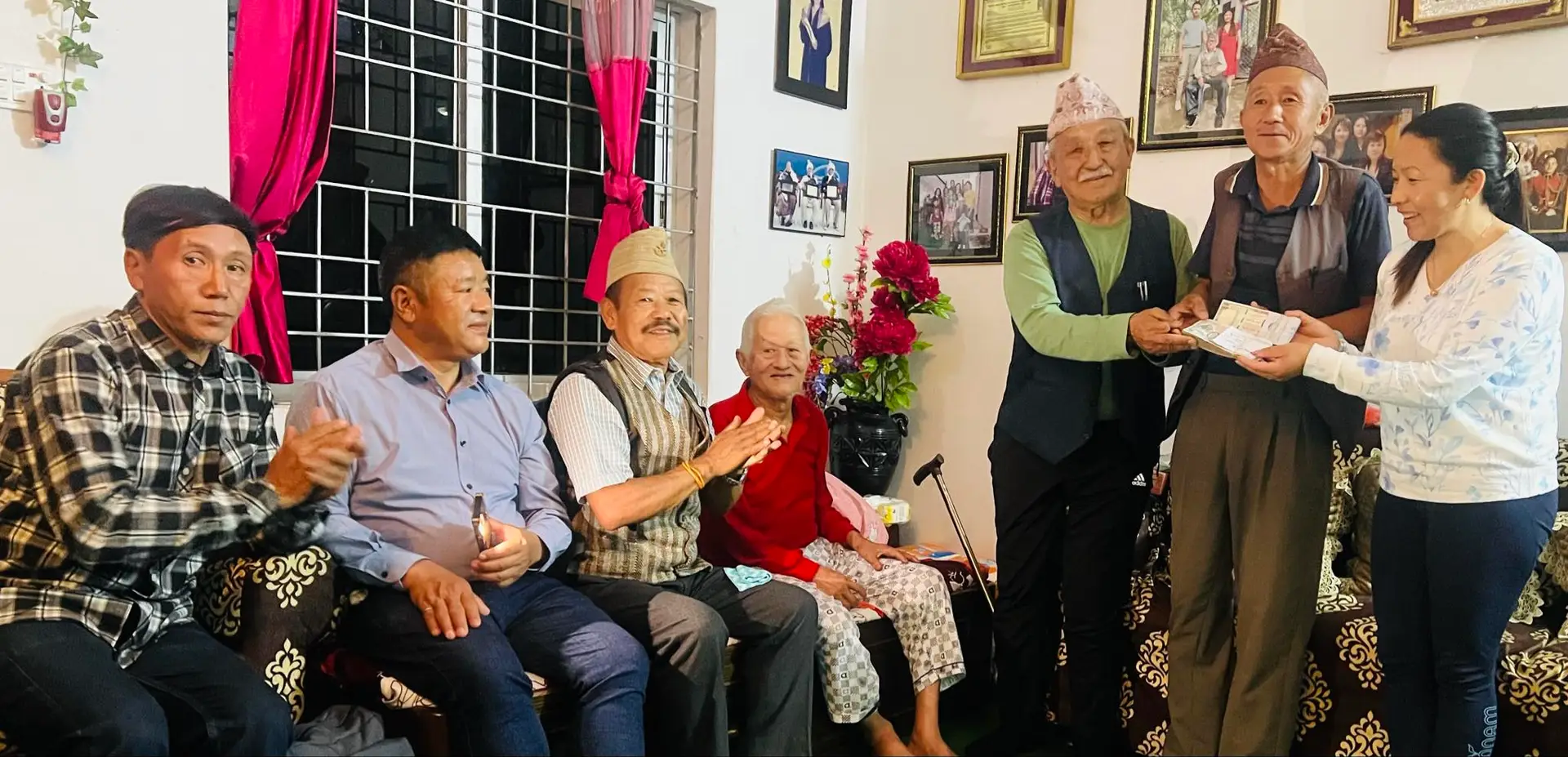
Founder Chairperson of the organization was Rtd. British Army (BA) Capt. Late Krishna Bahadur Gankhu. On the set (left to right) his disciples as well as Patron Members Rtd. Indian Army Hon. Lt. Mr. Mani Raj Tongerbu, Mr. Sharan Dhoj Hongelu, Rtd. BA Malumdhoj Pidisai, Rtd. BA Corporal Mr. Birchandra Rinho (Founder Member), Rtd. BA Mr. Mahanta Rajitti along with Mr. Aitaram Rajitti , Vice Chairperson of Sunsari District Committee and Ms. Anita Tambuchha, Treasurer of Kathmandu Kulung Building Construction Committee.
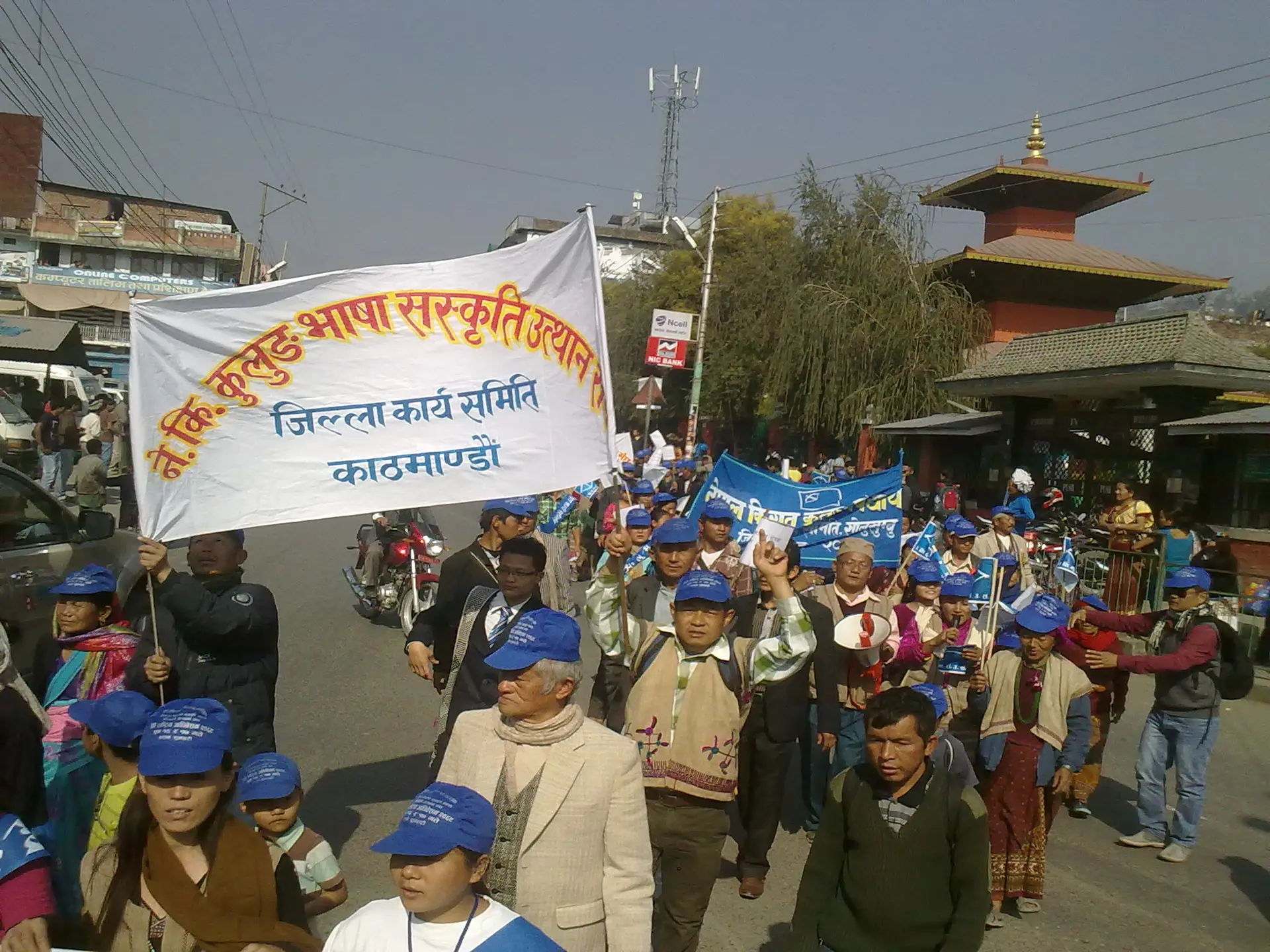
Community Participation and Representation
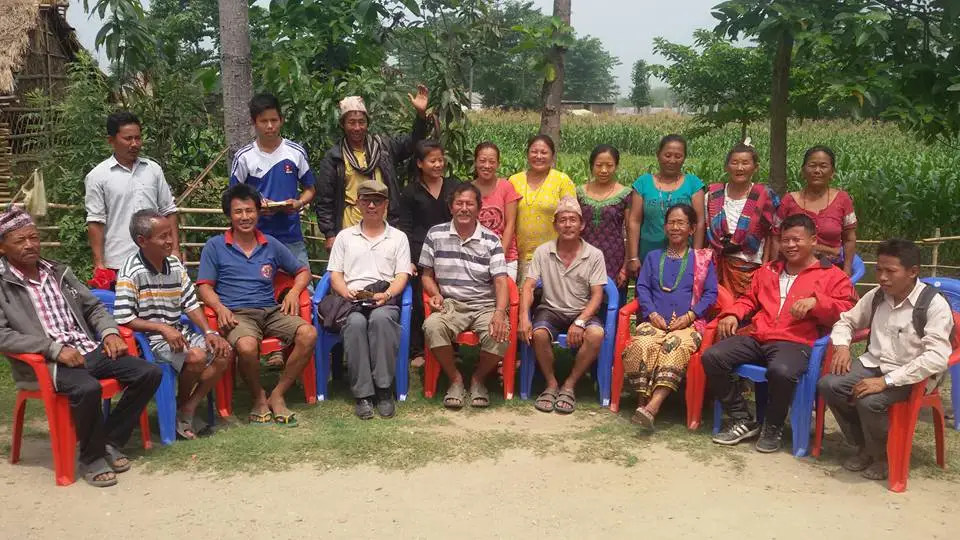
The Jhapa District Executive Committee Secretary Mr. Dilu Gebdulu and Treasurer Mr. Keshab Kulung along with the Central Chairperson of Nepal Kirat Kulung Bhasa Sanskriti Utthan Sangh (Kirat Kulu Guskham) are discussing with the Kulungs of Buddhashanti Village of Jhapa district.
The main issues of the Kulungs are rights to self-determination, right to self-identity, rights to autonomy for the development of social, cultural, economic, educational, religious and civil and political rights. Kulungs are the most deprived community for their fundamental human rights. Kulungs have no representation in the State Mechanisms at Province and Federal level. They have been enforced to lose their self-respected identity by not recognizing by the State Mechanisms at the Province and Federal level government.